Skin Concern
Skin Laxity After Weight Loss
Regenerative treatment for loose skin and skin laxity following significant weight loss in South Orange County. Non-surgical protocols for crepey texture, facial laxity, and structural skin changes — including GLP-1 related skin concerns.
"Losing weight is a health achievement. The skin response it triggers deserves a thoughtful, regenerative answer."
Education
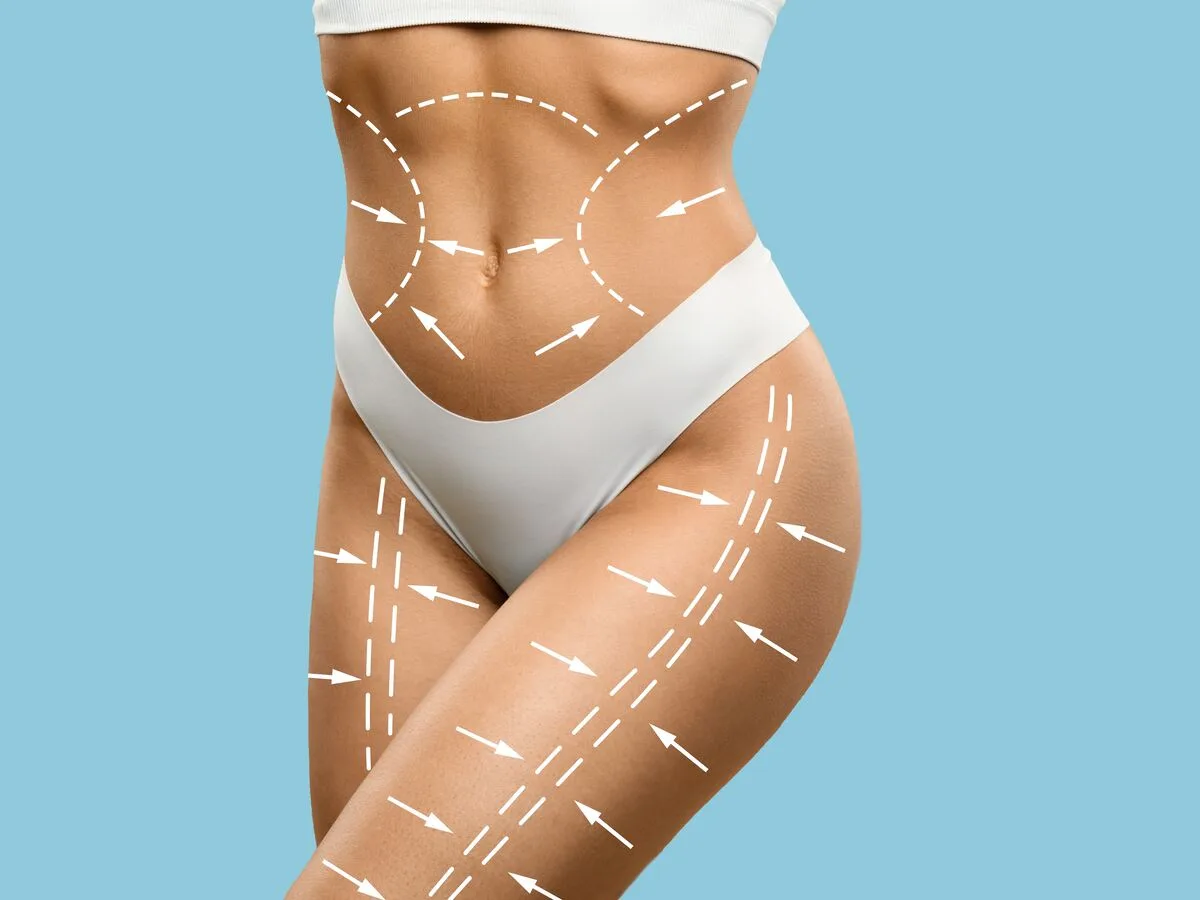
Why Significant Weight Loss Affects Skin Structure
Weight loss — whether gradual or accelerated through GLP-1 medications like Ozempic, Wegovy, or Mounjaro — is a genuine health achievement. But the skin response it triggers is a real biological phenomenon that deserves honest attention.
When the body stores significant amounts of fat, the overlying skin stretches to accommodate it. Over time, the structural proteins — collagen and elastin — that give skin its tensile strength and recoil capacity are stretched and reorganized. When fat is lost, the skin does not always contract proportionally, particularly when the weight loss is rapid or when it occurs after the skin has lost some of its youthful elasticity.
The result is skin that appears loose, crepey, or deflated — particularly in the face, neck, jowls, and décolletage. In younger individuals with strong collagen production, the skin often contracts reasonably well over 12–18 months. In individuals over 40 — whose collagen production is already declining — the skin's capacity for autonomous contraction is significantly reduced.
The GLP-1 medication era has brought this concern to the forefront. Many people experiencing rapid, significant weight loss through GLP-1 receptor agonists are noticing facial aging changes — sometimes called 'Ozempic face' — characterized by facial hollowing, increased laxity, jowling, and a gaunt appearance that contrasts with improved metabolic health.
At South County Microspa, we address weight-loss skin laxity through targeted regenerative protocols that support collagen synthesis, tissue tightening, and structural remodeling — helping skin adapt to its new contours in a way that the body may not be able to accomplish on its own.
Understanding the Root Cause
What Drives Skin Laxity After Weight Loss
Collagen and Elastin Structural Changes
Skin that has been stretched by significant fat accumulation experiences reorganization of its collagen and elastin fiber networks. When the fat is removed, these reorganized fibers do not always return to their pre-stretch arrangement — leaving skin with reduced structural integrity and recoil capacity.
Rapid Rate of Loss
The faster the weight is lost, the less time the skin has to progressively contract. Gradual weight loss allows more incremental skin adaptation. Rapid loss — whether from aggressive caloric restriction or GLP-1 acceleration — outpaces the skin's ability to keep up.
Age-Related Reduction in Collagen Synthesis
Skin's capacity to regenerate structural collagen in response to change declines with age. In younger skin, autonomous contraction is more robust. In skin over 40 — particularly post-menopausal skin — the collagen-synthesis response to change is significantly diminished, making clinical intervention more important.
Facial Fat Loss and Volume Depletion
GLP-1-accelerated weight loss often depletes facial fat compartments that provide youthful contour and support. The result is hollowing under the eyes, flattening of the midface, and increased prominence of jowling — changes that were present but masked by the facial volume that has now been lost.
Protein and Nutrient Deficits
Weight loss — particularly rapid loss on calorie-restricted or GLP-1 protocols — can create protein and micronutrient deficits that reduce the body's capacity to synthesize new collagen. Adequate protein intake and targeted nutritional support are important components of skin-supportive weight loss management.
Our Protocol
How We Address Weight-Loss Skin Laxity
Our approach to post-weight-loss skin laxity combines objective measurement, structural tightening, collagen stimulation, and muscular re-education — addressing the multiple mechanisms that contribute to skin laxity after significant fat loss.
Comprehensive Skin and Metabolic Assessment
We begin with Miravex Antera 3D® skin imaging and InBody 580® body composition analysis — establishing an objective baseline of skin structure alongside your metabolic health. This combination allows us to understand your skin's current state and design a protocol that works with your physiology.
Structural Tightening with Fusion Plasma®
Fusion Plasma® is a primary tool for post-weight-loss laxity — delivering targeted plasma energy that initiates tissue contraction and sustained collagen remodeling in the face, neck, and jowl areas. Results develop progressively over 6–12 weeks post-treatment as new collagen is synthesized and organized.
Microcurrent Facial Re-Architecture
MyoLift MD® microcurrent re-educates the facial muscles whose tone and position determine facial contour and lift — critical for addressing the architectural changes that accompany significant facial volume loss. The NeoFusionLift™ protocol combines this with additional energies for comprehensive structural support.
Cellular Energy and Collagen Support
LIGHTWAVE LED® photobiomodulation supports the mitochondrial function that fuels collagen synthesis — particularly important when the body's collagen-production capacity is already compromised by age, hormonal change, or the metabolic demands of significant weight loss.
Nutritional Support for Skin
We incorporate targeted nutritional guidance into post-weight-loss skin protocols — addressing protein adequacy, collagen-supporting micronutrients (vitamin C, zinc, copper), and anti-inflammatory dietary strategies that support skin's regenerative capacity during and after weight transition.
Technology
Clinical Systems We Use
Miravex Antera 3D®
Objective skin structure baseline and progress tracking
InBody 580®
Body composition and metabolic health assessment
Fusion Plasma®
Structural tightening and collagen remodeling
MyoLift MD®
Facial muscle re-education and contour restoration
NeoFusionLift™
Multi-energy structural lifting protocol
LIGHTWAVE LED®
Cellular energy support and collagen synthesis
Treatments