
Understanding Your Cholesterol, CAC Score, and Statin Recommendation
An extension of your cardiovascular prevention discussion — in plain language.
If your physician recently discussed cholesterol, plaque buildup, a CAC score, or statin therapy, you likely received a great deal of information during a short visit. Cardiovascular prevention is complex. In a single appointment, a physician may review lab work, blood pressure, imaging findings, family history, medications, lifestyle factors, and overall risk — and still communicate clearly enough for you to act on it.
This article is intended to extend that conversation. Its purpose is not to replace individualized medical advice, but to explain — in plain language — what these numbers, findings, and recommendations are actually measuring and why they matter.
Cholesterol Isn't the Enemy. Unstable Plaque Is.
Your body needs cholesterol. It is essential for hormone production, cell membrane integrity, vitamin D synthesis, and brain function. The concern is not cholesterol circulating in the bloodstream. The concern is what happens when cholesterol becomes incorporated into inflammatory deposits inside artery walls over many years — a process called atherosclerosis.
Over time, immune cells migrate into the artery wall and engulf cholesterol particles, forming fatty deposits beneath the inner lining. By later adulthood, most people have some degree of plaque buildup, whether they know it or not.
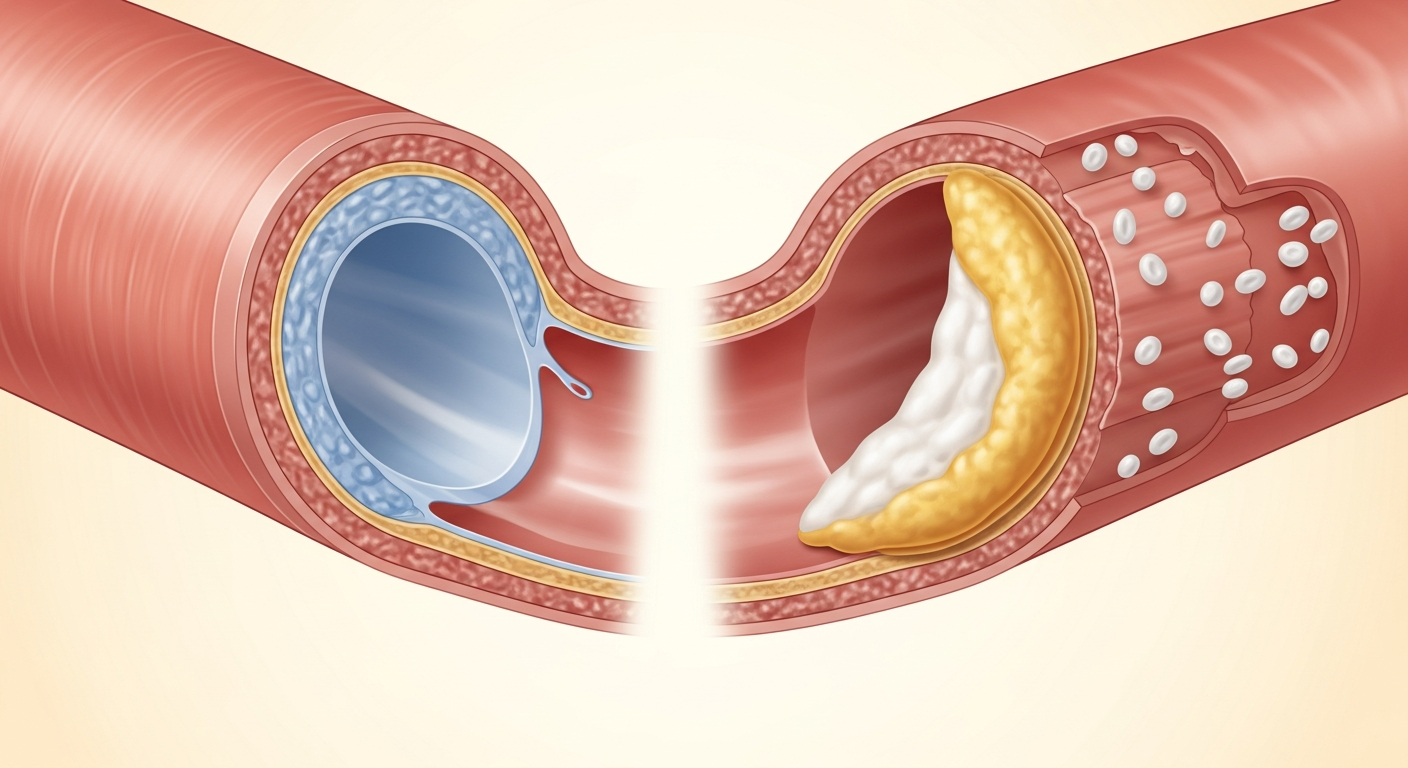
"The more important question is not 'Do I have cholesterol?' It is: how much plaque is developing, how quickly is it progressing, and how stable is it?"
A Better Way to Think About Plaque
Many people imagine plaque as sludge slowly clogging a pipe. That analogy is incomplete — and it leads to a dangerous underestimation of the real risk.
Plaque behaves more like a blister embedded within the wall of the artery. Some plaques remain stable for decades. Others become fragile. And that fragility is what matters most.
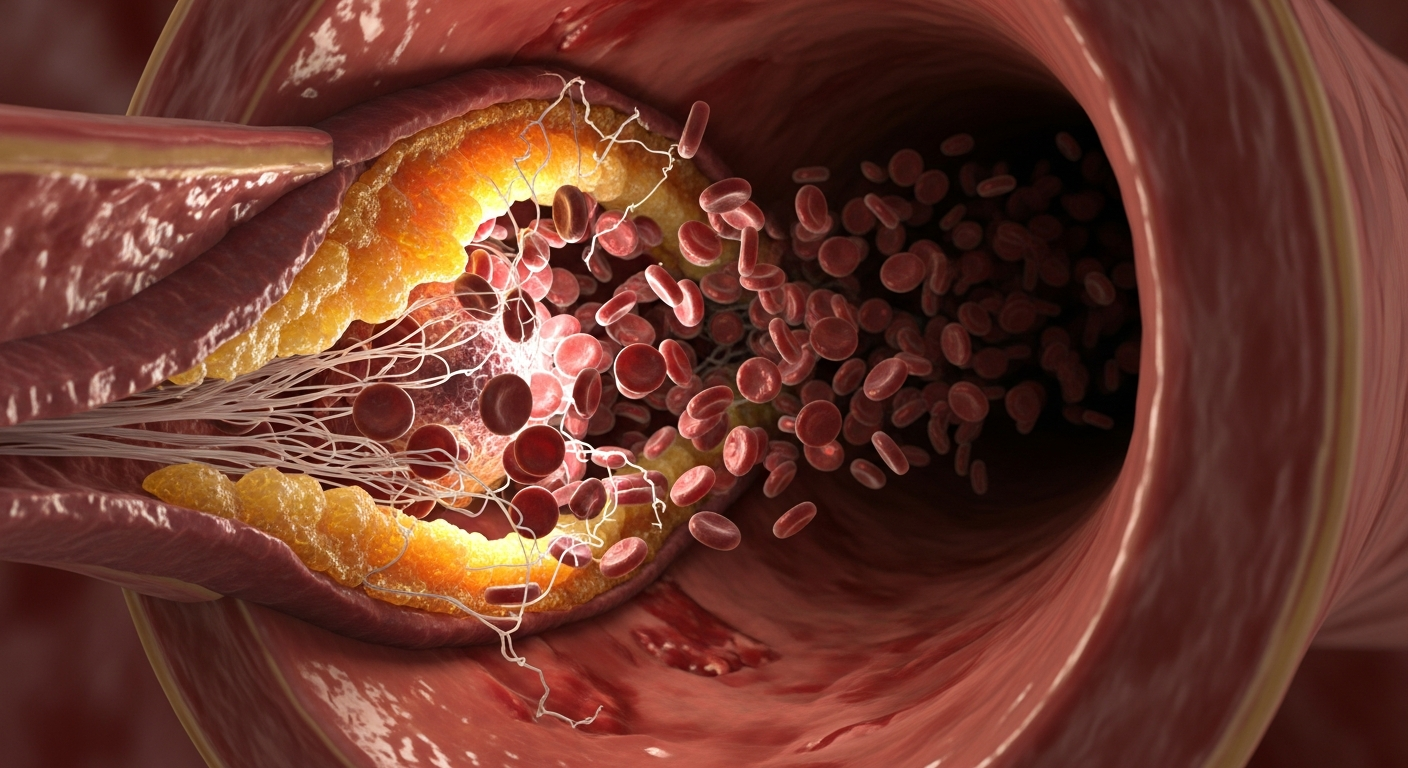
If a plaque ruptures, blood floods into the area, clotting mechanisms activate immediately, and blood flow can suddenly become blocked — often with little or no warning.
Research suggests that some vulnerable plaques weaken from the inside, as macrophages under oxidative and inflammatory stress release matrix metalloproteinases — enzymes that erode the protective fibrous cap covering the plaque. Once that cap becomes unstable, rupture can occur rapidly, which is why cardiovascular disease often progresses silently for years before the first symptom appears.
One of the greatest challenges in cardiovascular medicine is that physicians still cannot reliably predict which individual plaque will rupture. A person may have multiple plaques in the same artery — some stable and quiet, one fragile and dangerous — while feeling completely normal.
HDL, LDL, and Why the Story Is More Complex
For years, cholesterol discussions were simplified: LDL is "bad," HDL is "good." Reality is more nuanced. Risk is shaped by plaque burden, inflammation, insulin resistance, blood pressure, genetics, metabolic health, and the cumulative exposure of artery walls to circulating lipoproteins over time.
"Some people with high HDL still develop significant coronary artery disease. A high HDL does not cancel out unstable plaque. It is one data point in a much larger picture, and your physician is weighing all of them."
What Statins Are Actually Trying to Do
Statins are often described simply as cholesterol-lowering medications, but their role is broader than reducing a lab value. Their purpose is risk reduction.
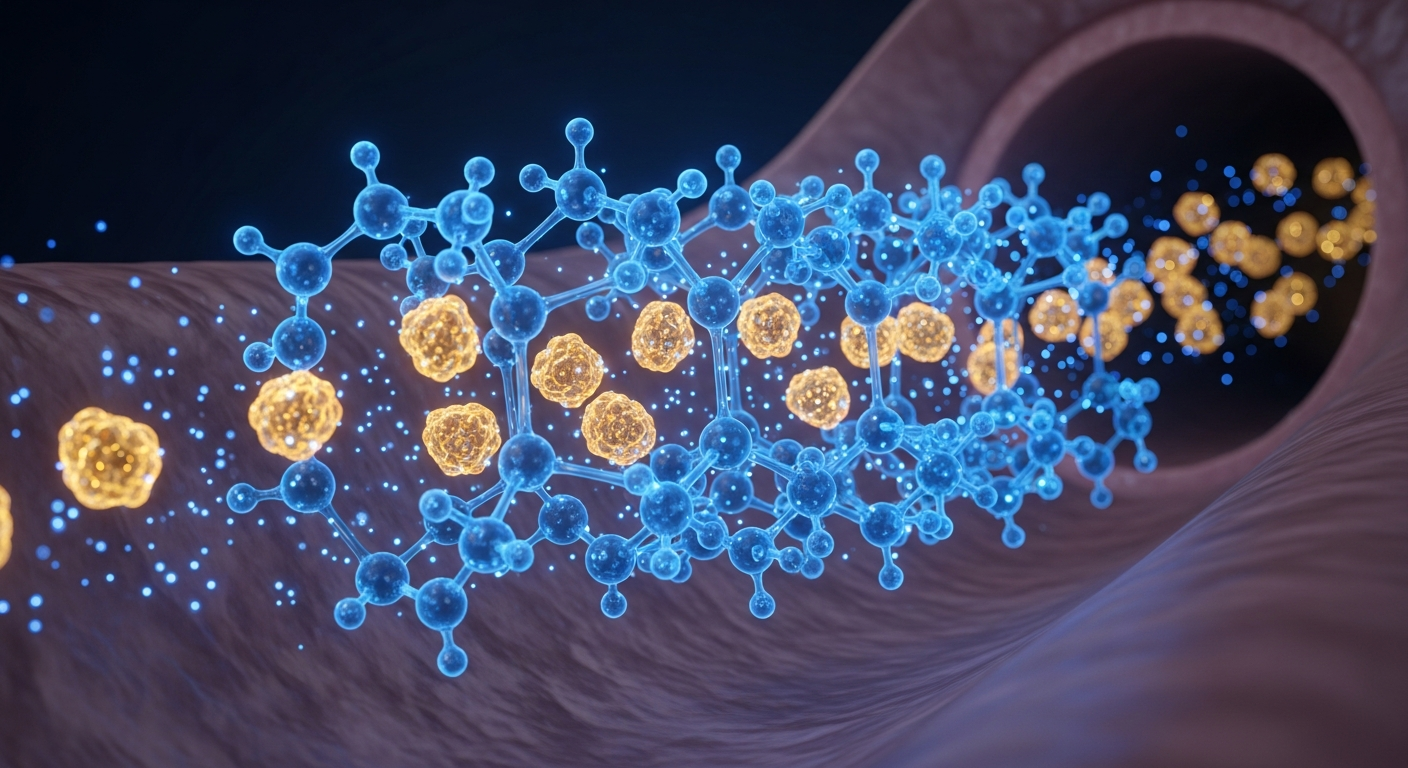
Statins work to reduce LDL particle burden, slow plaque progression, and reduce inflammatory activity within plaques — meaningfully reducing the likelihood of a sudden, plaque-related event that may happen without warning.
A note on side effects. In blinded clinical trials, many symptoms attributed to statins occur at nearly identical rates in patients taking placebo — a well-documented phenomenon called the nocebo effect. True statin intolerance does occur and warrants direct conversation with your physician.
"The better question is: based on my plaque burden, CAC score, family history, and overall cardiovascular risk — does treatment meaningfully improve my long-term odds?"
Understanding Your CAC Score
The Coronary Artery Calcium (CAC) scan is one of the most useful tools in preventive cardiology today. It measures calcified plaque inside the coronary arteries — providing an estimate of disease burden often years before symptoms appear.

CAC Score Reference
- Score 0 — No detectable calcified plaque. Does not exclude soft or non-calcified plaque, particularly in younger patients.
- Score 1–10 — Earliest detectable plaque. Lifestyle optimization is a priority.
- Score 11–99 — Early established coronary artery disease. Plaque is no longer theoretical.
- Score 100–299 — Moderate plaque burden. Risk management becomes more aggressive.
- Score 300+ — Extensive plaque burden. Significantly elevated cardiovascular risk.
Once scores enter the 11–99 range, coronary artery disease is already established. One goal of statin therapy is to slow that progression — because plaque burden tends to progress with age.
Inflammation, Omega-3 Balance, and Metabolic Health
Cholesterol is only part of the cardiovascular story. Inflammation within artery walls plays a major role in plaque instability and rupture risk — which is why modern prevention increasingly focuses on the full metabolic picture: insulin resistance, inflammatory diet patterns, physical activity, sleep quality, and fatty acid balance.

Omega-3 Balance
The stronger evidence points to absolute EPA and DHA intake as the key driver — not the omega-6/omega-3 ratio per se. EPA and DHA from fatty fish and marine oils support healthier inflammatory signaling, endothelial function, and triglyceride reduction.
The Omega-3 Index
The Omega-3 Index measures the percentage of EPA and DHA in red blood cell membranes. Below 4% is associated with higher cardiovascular risk. At 8% or above, risk is meaningfully lower. Omega-3 optimization does not replace statins — they work through entirely different mechanisms.
The Most Important Question Moving Forward
Some patients discover a CAC score of 50, 150, or higher and immediately begin asking: could I have prevented this years ago? At a certain point, looking backward stops being the most productive focus.
"A CAC score is not a moral judgment. It is not a personal failure. It is not a verdict. It is information. And information creates the opportunity to improve your odds going forward."
Preventive cardiology is not about perfection. It is about improving probabilities over time — through risk reduction, metabolic health, nutrition, movement, medication when appropriate, and informed decision-making. The goal is not simply to live longer. It is to reduce the likelihood that the first symptom of cardiovascular disease becomes the worst day of your life.
Educational note. This article is intended to supplement conversations with your physician and does not replace individualized medical advice. Discuss cholesterol management, CAC scoring, medications, and cardiovascular risk reduction strategies with your healthcare provider.