Crepey Skin: What Causes It and What Actually Treats It
Crepey skin is not just a texture issue — it is a structural one. Here is what is happening and what clinical intervention can do.
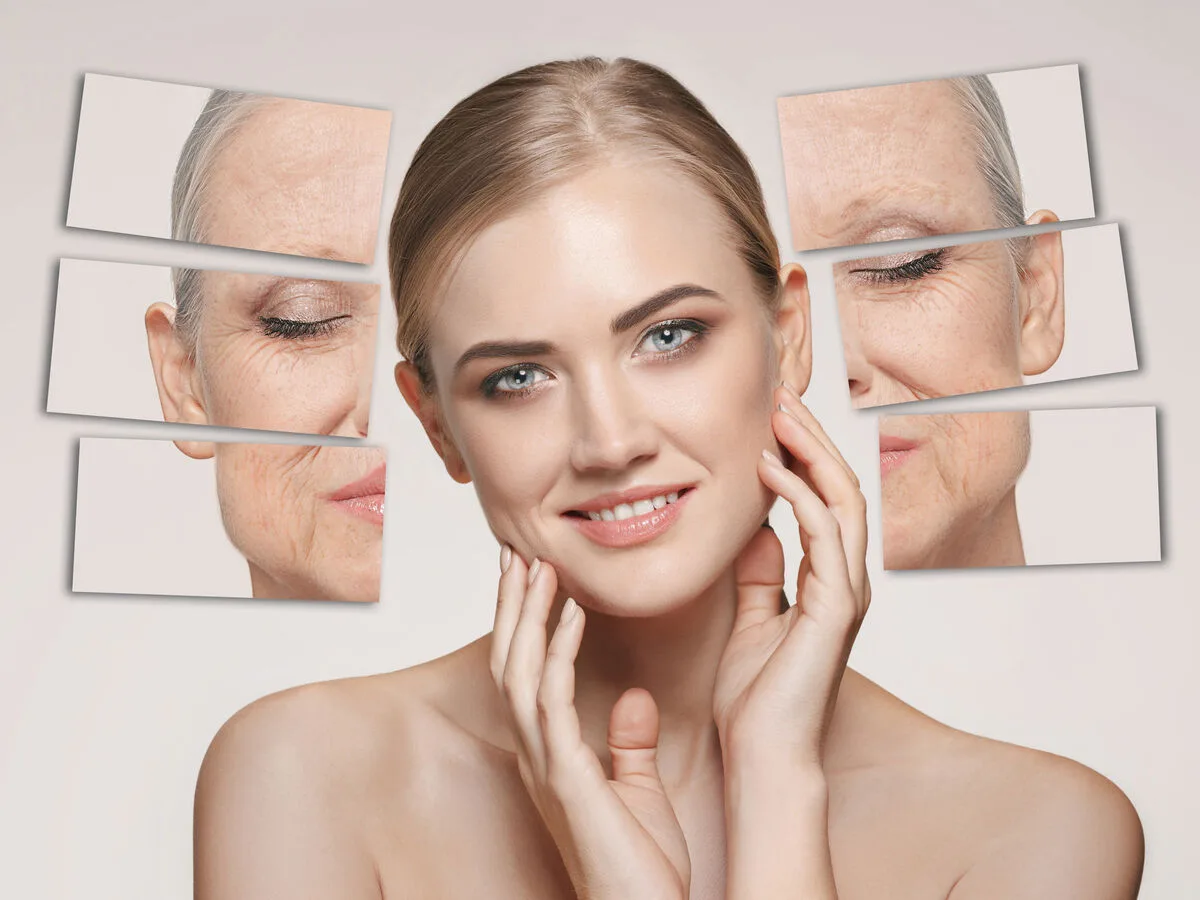
Crepey skin gets its name for a reason — that fine, paper-thin, slightly crinkled texture that appears on the face, neck, chest, upper arms, and under-eye area as skin ages. It's one of the most common concerns people bring to our practice, and also one of the most misunderstood.
The reason it's misunderstood: most people treat it as a moisture problem. They reach for thicker creams, richer serums, more hydrating oils. And while hydration can temporarily improve the appearance of crepey skin, it doesn't address what's actually driving it.
What Actually Causes Crepey Skin
Crepey skin is fundamentally a structural problem — not a surface one.
Elastin degradation is the primary driver. Elastin is the protein that gives young skin its snap and recoil. Press your fingertip into a baby's cheek and the skin bounces back immediately. That's elastin working at peak efficiency. Unlike collagen, which declines gradually from the mid-twenties, elastin is produced almost exclusively during development — once it's degraded, the body has limited capacity to replace it. UV exposure is the leading cause of elastin breakdown, which is why crepey skin is most severe in sun-exposed areas.
Collagen thinning compounds the problem. As the dermis loses collagen density, the skin becomes literally thinner — with less internal structure to hold its shape. Thin skin drapes, creases, and folds more easily under the influence of gravity and repeated movement.
Dehydration at the tissue level is a contributing factor, particularly in post-menopausal skin where the decline of estrogen reduces hyaluronic acid production in the dermis. But dehydration alone does not produce crepey skin — it worsens existing structural weakness.
Accumulated UV damage is the most consistent environmental driver. Years of UV exposure without adequate protection create oxidative damage, break down both collagen and elastin, and accelerate the thinning and laxity that produces crepey texture.
Where It Appears — and Why
Crepey skin is most common in areas with thinner baseline dermis and greater UV exposure:
- Under the eyes — the skin here is naturally among the thinnest on the face
- The neck and décolletage — chronically under-protected and subject to years of UV exposure
- The upper arms — particularly on the inner arm where the skin is thin
- The lower face and jowl area — where laxity and thinning combine
- The hands — high UV exposure and low sebaceous activity accelerate aging here
What Actually Treats Crepey Skin
Surface hydration helps in the short term. But meaningful, lasting improvement requires intervention at the dermal level — where the structural changes are occurring.
Plasma energy (Fusion Plasma®) is one of the most effective technologies for crepey skin. It delivers targeted plasma to the dermis, initiating tissue contraction and a deep fibroblast activation response. The skin responds by producing new collagen and elastin in the treated area over the following weeks — producing measurable tightening of crepey tissue. Results continue developing for 6–12 weeks post-treatment.
LED photobiomodulation (LIGHTWAVE LED®) supports the cellular environment in which structural repair occurs. Red and near-infrared wavelengths penetrate the dermis and stimulate mitochondrial ATP production — giving skin cells the energy to produce collagen and execute repair. Regular LED therapy meaningfully slows the progression of crepey texture and amplifies results from more intensive structural treatments.
Dermatude™ Meta-Therapy improves barrier function and delivers regenerative actives into the dermis — supporting moisture retention, collagen priming, and surface texture improvement. It is particularly effective for the neck and décolletage where the skin is delicate.
Microcurrent (MyoLift MD®) addresses the muscular laxity that contributes to crepey appearance in the lower face and neck — restoring tone to the underlying structures that support the overlying skin.
What to Expect
Crepey skin that has developed over years does not reverse in a single session. The most meaningful results come from consistent, layered protocols — addressing both the surface and the structural causes simultaneously, and maintaining the improvements with regular sessions.
Objective clinical imaging with the Miravex Antera 3D® allows us to track textural improvement across sessions — giving you a clear picture of what's changing at the skin structure level, not just how it looks in the mirror.
If crepey skin on your face, neck, or chest is a concern, a comprehensive consultation is the right starting point. We will assess your skin's structural state, recommend a realistic treatment pathway, and tell you what you can expect — honestly.