The Future of Medicine May Be Health—Not Disease
Why earlier detection is changing what it means to practice preventive medicine
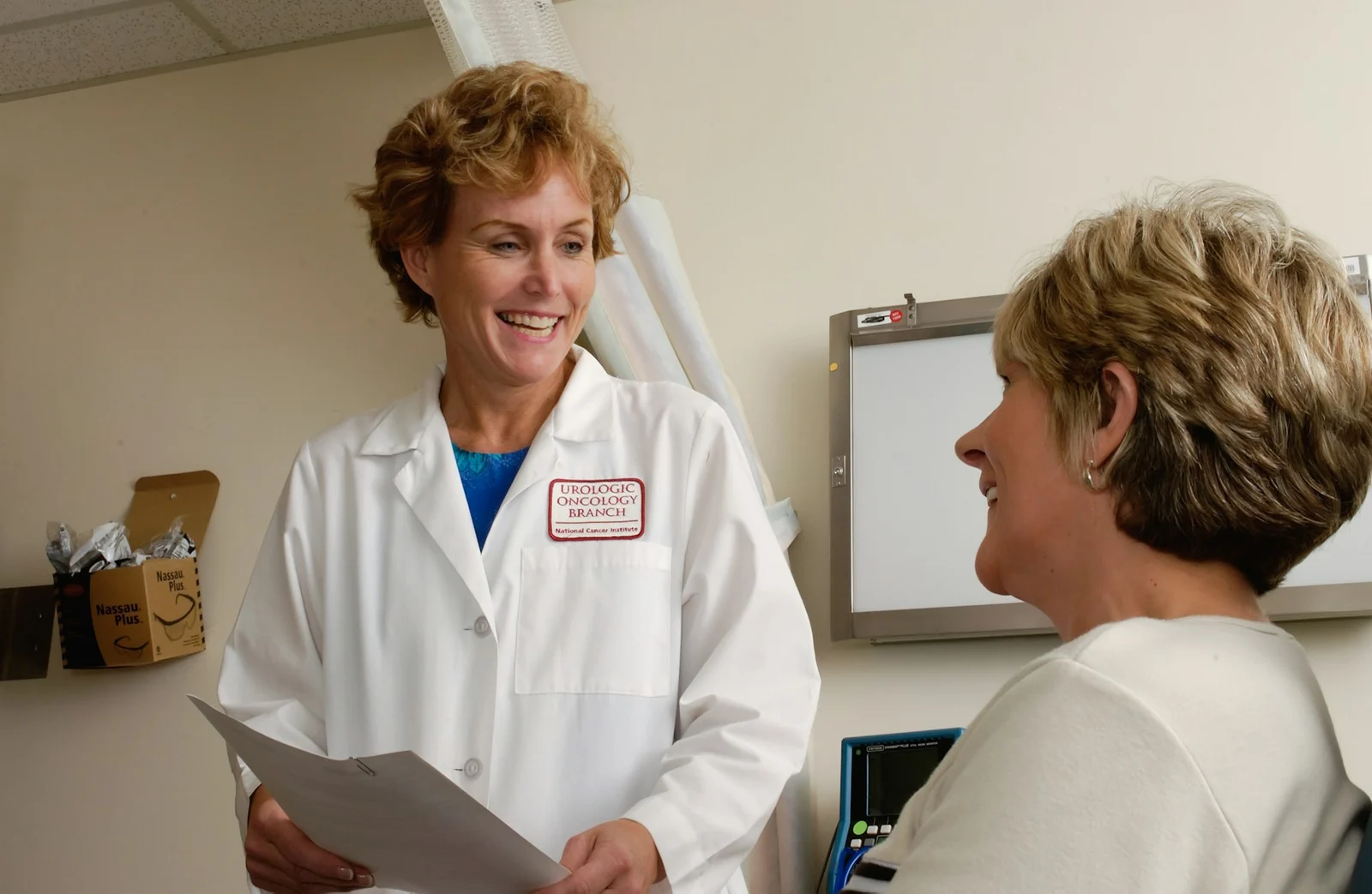
For most of modern medical history, we have become extraordinarily good at identifying and treating disease.
We diagnose diabetes. We treat cardiovascular disease. We remove cancers. We suppress viruses. We prescribe medications for hypertension, osteoporosis, autoimmune disease, obesity, and metabolic dysfunction.
These achievements have saved millions of lives.
But something important is beginning to change.
Increasingly, science is asking a different question:
What if we could recognize the biological trajectory toward disease long before the disease itself appears—and change that trajectory?
That is a fundamentally different model of medicine.
Instead of waiting for the body to cross the threshold between healthy and diseased, the emerging goal is to understand what is happening during the years—sometimes decades—before that threshold is crossed.
Disease rarely begins on the day it is diagnosed
Consider type 2 diabetes.
A person does not suddenly become metabolically dysfunctional the morning their hemoglobin A1c crosses a diagnostic cutoff. Insulin resistance, changes in adipose tissue, altered glucose handling, declining metabolic flexibility and compensatory increases in insulin may have been developing for years.
The diagnosis is an important clinical threshold.
But biologically, it is relatively late in the story.
The same principle can apply to cardiovascular disease, osteoporosis, sarcopenia and many other chronic conditions.
This distinction—between the beginning of dysfunction and the eventual diagnosis of disease—may become one of the defining ideas of 21st-century medicine.
We are beginning to measure trajectories
New technologies are making changes visible that previous generations of clinicians simply could not see.
Artificial intelligence can analyze medical imaging for patterns too subtle for the human eye.
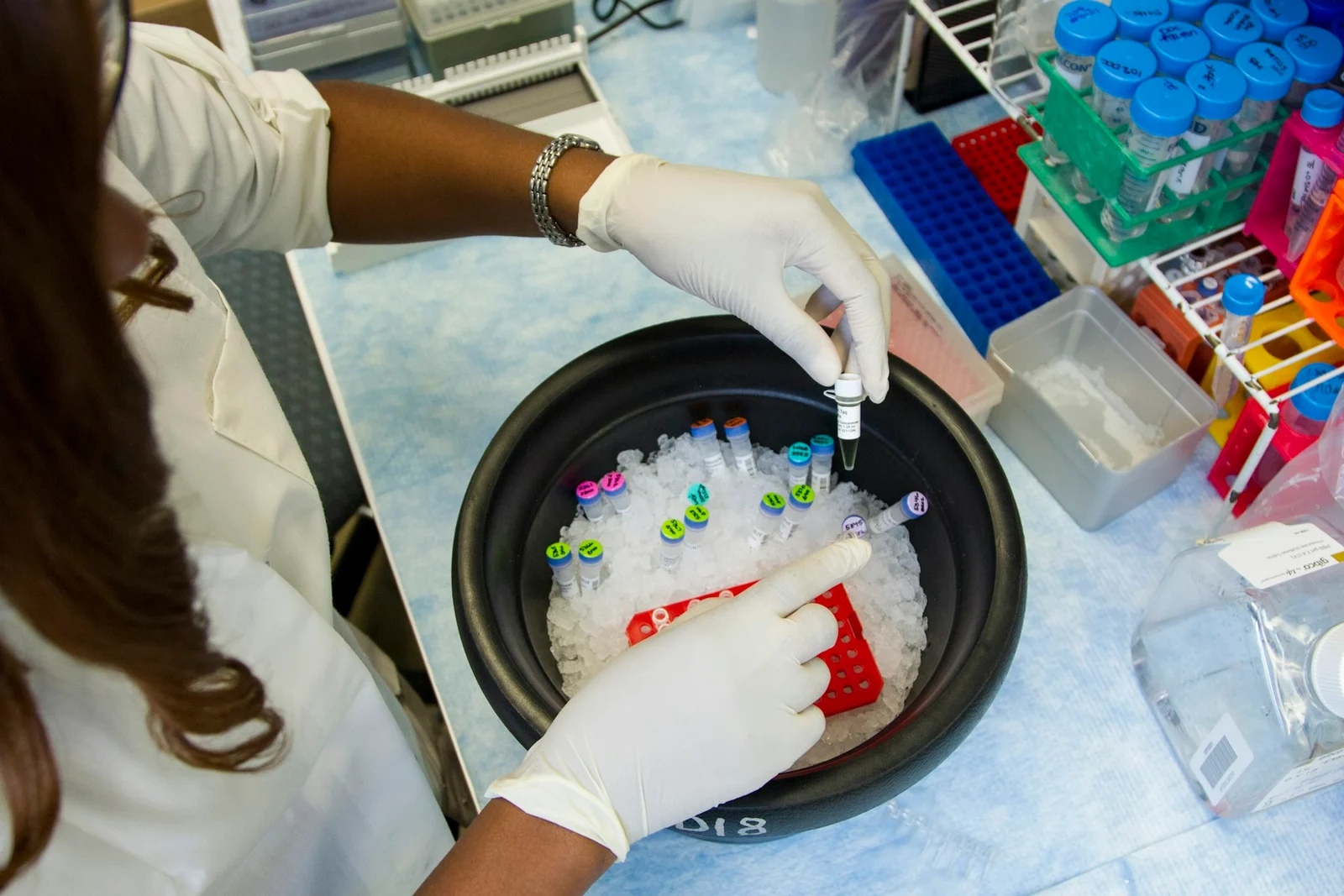
Liquid biopsies are being investigated for molecular evidence of cancer.
Continuous glucose monitors reveal metabolic responses that a yearly fasting glucose measurement cannot.
Advanced body-composition analysis can distinguish changes in muscle, adipose tissue and visceral fat that a bathroom scale cannot.
Genomics, proteomics, metabolomics and increasingly sophisticated biomarkers are beginning to provide snapshots of biological systems rather than isolated measurements.
Even obesity medicine is changing.
The question is no longer simply:
How much weight did the patient lose?
Increasingly, researchers are asking:
What did the patient lose?
Fat?
Visceral fat?
Skeletal muscle?
And what happened to metabolic health along the way?
That is a much more sophisticated question.
And this creates a problem medicine will have to confront
Our ability to measure biology may soon advance faster than our ability to interpret biology.
For generations, much of clinical education has necessarily focused on recognizing disease, establishing a diagnosis, and selecting an appropriate treatment.
That remains essential.
But a healthcare system built primarily around diagnosed disease is not automatically equipped for a world in which we can detect subtle biological changes years earlier.
Imagine discovering that a patient is gradually losing skeletal muscle while gaining visceral fat despite maintaining approximately the same body weight.
There may be no disease to diagnose.
There may be no prescription to write.
But something meaningful may be happening.
Understanding it requires asking deeper questions.
What is happening metabolically?
Is protein intake adequate?
Is resistance training sufficient?
How are sleep and stress affecting endocrine physiology?
Are medications influencing appetite, absorption or body composition?
Could nutritional deficiencies be contributing?
What do these changes mean when considered together rather than separately?
That requires something beyond simply recognizing diagnostic criteria.
It requires understanding human physiology.

Functional medicine will need to earn its name
This is also where the term functional medicine deserves some scrutiny.
Functional medicine should not simply mean ordering enormous laboratory panels, selling supplements, or labeling every abnormal result as a condition requiring treatment.
More testing does not necessarily produce better medicine.
In fact, poorly interpreted testing can produce unnecessary anxiety, expense and treatment.
The kind of practitioner increasingly needed will require a serious command of:
physiology, biochemistry, metabolism, nutrition, endocrinology, pharmacology, immunology and the interaction among these systems.
They must understand laboratory values in context.
They must distinguish association from causation.
They must understand reference ranges, biological variability and false positives.
They must know when an abnormality matters—and when it does not.
And perhaps most importantly, they must recognize the boundary between an interesting biological signal and something science has actually demonstrated that we can safely change.
That is functional medicine in the literal sense:
understanding function.
Prevention is more than screening
We often use prevention and screening almost interchangeably.
But they are different.
Screening asks:
Can we find disease earlier?
True prevention asks:
Can we prevent the biological conditions that allow disease to develop in the first place?
Those questions require different tools.
A mammogram can detect breast cancer earlier.
But understanding lifetime metabolic health, body composition, alcohol exposure, physical activity and other modifiable risk factors addresses a different part of the timeline.
A bone-density scan can identify osteoporosis.
But preserving muscle, maintaining mechanical loading, adequate nutrition and addressing risk factors decades earlier represents another layer of prevention.
Medicine needs both.

The clinician of the future may become an interpreter of biological change
The physician, nurse practitioner, dietitian, pharmacist, physical therapist and other healthcare professionals of tomorrow will still diagnose and treat disease.
But another role is emerging alongside that one:
the interpreter of biological trajectory.
Someone who can look at multiple pieces of information and ask not merely:
“Is this patient sick?”
but:
“Where does this physiology appear to be heading?”
And then the most important question:
“What evidence-supported intervention could change that trajectory?”
That final question matters enormously.
Because identifying biological change is not enough.
The goal should never be to medicalize normal life or chase every biomarker toward an imagined state of perfection.
The goal is better health.
This is where longevity medicine should be heading
Longevity should not mean desperately attempting to extend life at any cost.
Nor should it become an expensive collection of supplements, laboratory panels and fashionable treatments.
A more meaningful definition is much simpler:
preserve function for as long as possible.
Preserve muscle.
Preserve metabolic health.
Preserve mobility.
Preserve cognition.
Preserve cardiovascular capacity.
Preserve independence.
And identify modifiable deterioration early enough that something can still be done about it.
That is why we believe measurements such as body composition can be useful—not because a machine can predict someone’s future, but because trends can start better conversations.
The number on the scale is only one number.
Health is a system.

Medicine is moving upstream
The great medical achievements of the last century taught us how to rescue people from disease.
The challenge of this century may be learning how to keep more people from reaching that point.
That transition will require extraordinary technology.
But technology alone will not be enough.
We will need healthcare professionals capable of understanding the biology those technologies reveal—and humble enough to distinguish what we know from what we merely suspect.
The future of medicine may therefore belong not to conventional medicine or functional medicine as competing camps.
It may belong to something much more useful:
medicine that understands function deeply enough to recognize when health is beginning to change—and intervenes early enough to help preserve it.
⸻
South County Microspa
Where aesthetics, body composition, education, and healthy aging meet.
Educational disclaimer: This article is for educational purposes and is not intended to diagnose, treat, cure, or prevent disease. Screening, laboratory testing, medical diagnosis, and treatment decisions should be made with appropriately licensed healthcare professionals.