What Is Plasma Fibroblast Skin Tightening — and Is It Right for You?
Plasma technology is one of the most effective non-surgical tightening options available. Here's an honest look at the mechanism, the results, and the realistic expectations.
Plasma fibroblast therapy has generated significant interest in the aesthetics world — and, like most technologies that generate interest, it has also accumulated a fair amount of misinformation. Some clinics claim it's equivalent to surgery. Others call it unproven or dangerous. The reality is more nuanced than either extreme.
Here's an honest, clinically grounded explanation of what plasma therapy actually is, how it works, what it treats well, and what realistic outcomes look like.
What Is Plasma?
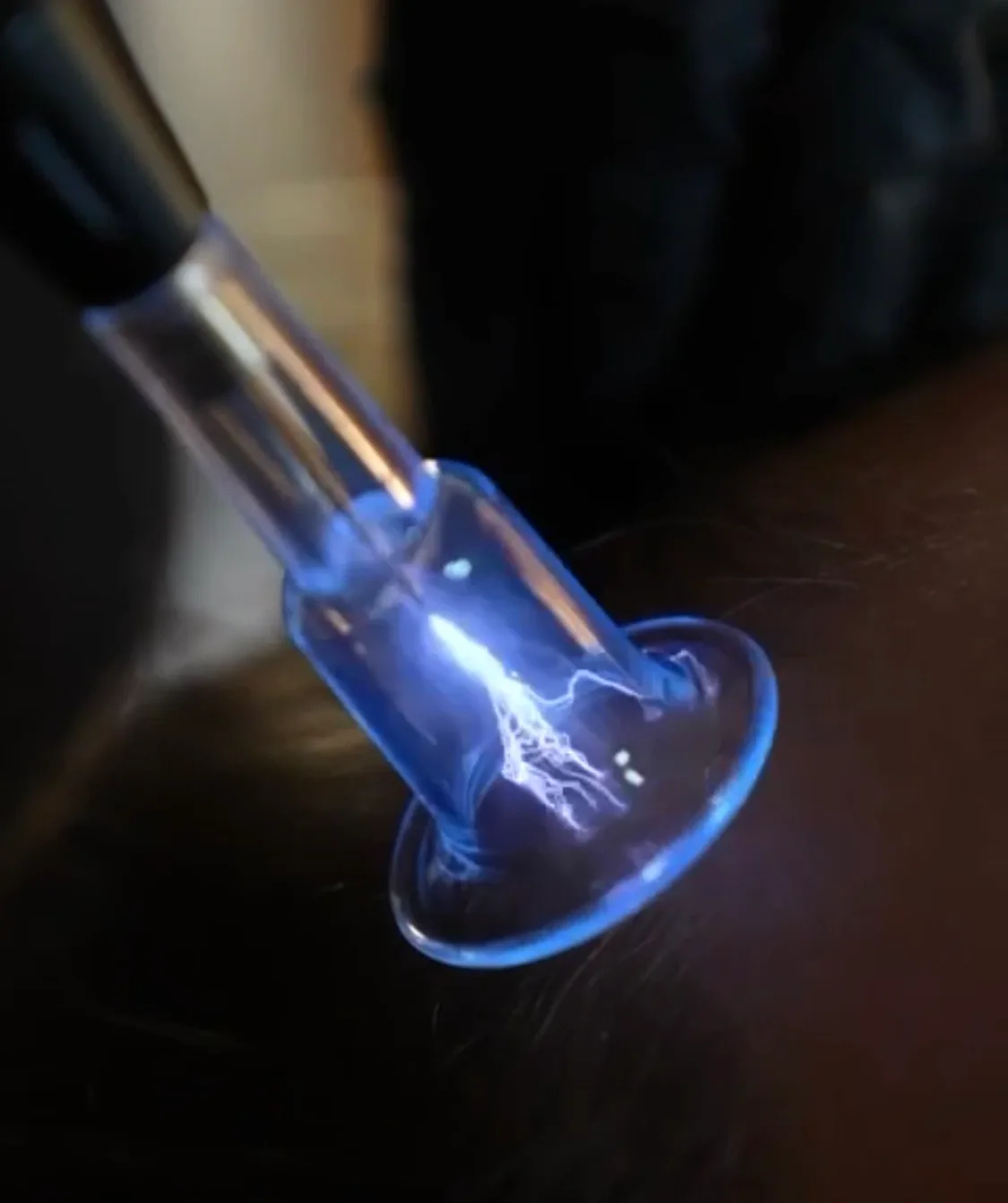
Plasma is the fourth state of matter — distinct from solid, liquid, and gas. In aesthetic medicine, plasma is generated when a targeted electrical discharge ionizes atmospheric gases just above the skin's surface, creating a small arc of plasma energy between the device tip and the skin.
This plasma arc delivers precise, controlled energy to the skin without the device actually touching the surface. This is key: plasma energy reaches the dermis and subdermal tissue and initiates biological responses there — while the surface disruption is minimal and controlled.
How It Triggers Skin Tightening
The primary biological mechanism is fibroblast activation. Fibroblasts are the cells in the dermis responsible for producing collagen and elastin — the structural proteins that determine skin firmness, elasticity, and thickness.
When plasma energy is delivered to the dermis:
1. Immediate tissue contraction occurs — the controlled thermal effect causes the collagen fibers in the treated area to contract, producing visible tightening
2. A wound-healing response is initiated — the body identifies the treated area as requiring repair and dispatches fibroblasts to produce new collagen and elastin
3. Progressive structural remodeling unfolds over the following 6–12 weeks as new collagen is synthesized, organized, and matures
This is the mechanism that distinguishes plasma from technologies that produce only surface-level results. The tissue contraction and collagen synthesis it triggers are genuine structural changes — measurable with clinical imaging — not temporary surface effects.
What Plasma Fibroblast Treats Well
At South County Microspa, we use Fusion Plasma® for:
Facial laxity and jowling — the lower face is one of the most responsive areas to plasma therapy, with measurable improvement in jawline definition and tissue tightening following a treatment series.
Neck and décolletage tightening — particularly effective for crepey neck skin and horizontal neck lines, where other non-surgical technologies have limited reach.
Under-eye area — plasma can address crepey texture and mild laxity in this delicate area, where surgical alternatives carry significant risk.
Superficial skin imperfections — sebaceous hyperplasia, benign surface lesions, and minor vascular irregularities respond well to precision plasma application.
Collagen stimulation in aging skin generally — as a broad-based collagen-induction therapy, plasma contributes to overall structural improvement when used as part of a comprehensive anti-aging protocol.
What to Realistically Expect
Timeline: Immediate results are visible — but the most significant improvement develops over 6–12 weeks as collagen matures. Many clients notice their results continuing to improve for three months post-treatment.
Sessions: Meaningful structural change typically requires a series of sessions — the exact number depends on the degree of laxity, the area being treated, and individual biology. We assess this at your consultation.
Downtime: Unlike surgical procedures, plasma does not require extended recovery. Treated areas may experience temporary redness, mild swelling, and the formation of small carbon crusts (part of the normal healing process) that resolve within 5–10 days.
Longevity: Results from plasma fibroblast therapy last longer than injectable treatments because they represent actual structural change rather than temporary paralysis or volume addition. With appropriate maintenance, results can persist for 1–3 years depending on ongoing collagen production capacity.
Who Is a Good Candidate
Plasma fibroblast therapy works best for individuals experiencing mild-to-moderate facial or neck laxity who are not candidates for or not interested in surgery. It is less suited to significant excess skin or very deep structural changes where surgical intervention would be more appropriate.
Skin tone is an important consideration — plasma therapy carries a higher risk of post-inflammatory pigmentation in medium-to-deeper skin tones and requires careful assessment and protocol adjustment.
If you're wondering whether plasma fibroblast therapy is appropriate for your concerns, a comprehensive consultation with imaging is the right starting point. We'll assess your skin structure objectively and give you a clear picture of what's achievable — and what approach would be most effective for your specific biology.